Women in Physics
一个介绍物理学史上杰出女性的系列(中文)。点击卡片查看详情。
A series introducing remarkable women in the history of physics (in Chinese). Click a card to read more.
本系列内容欢迎学校或社团用于非商业宣传。
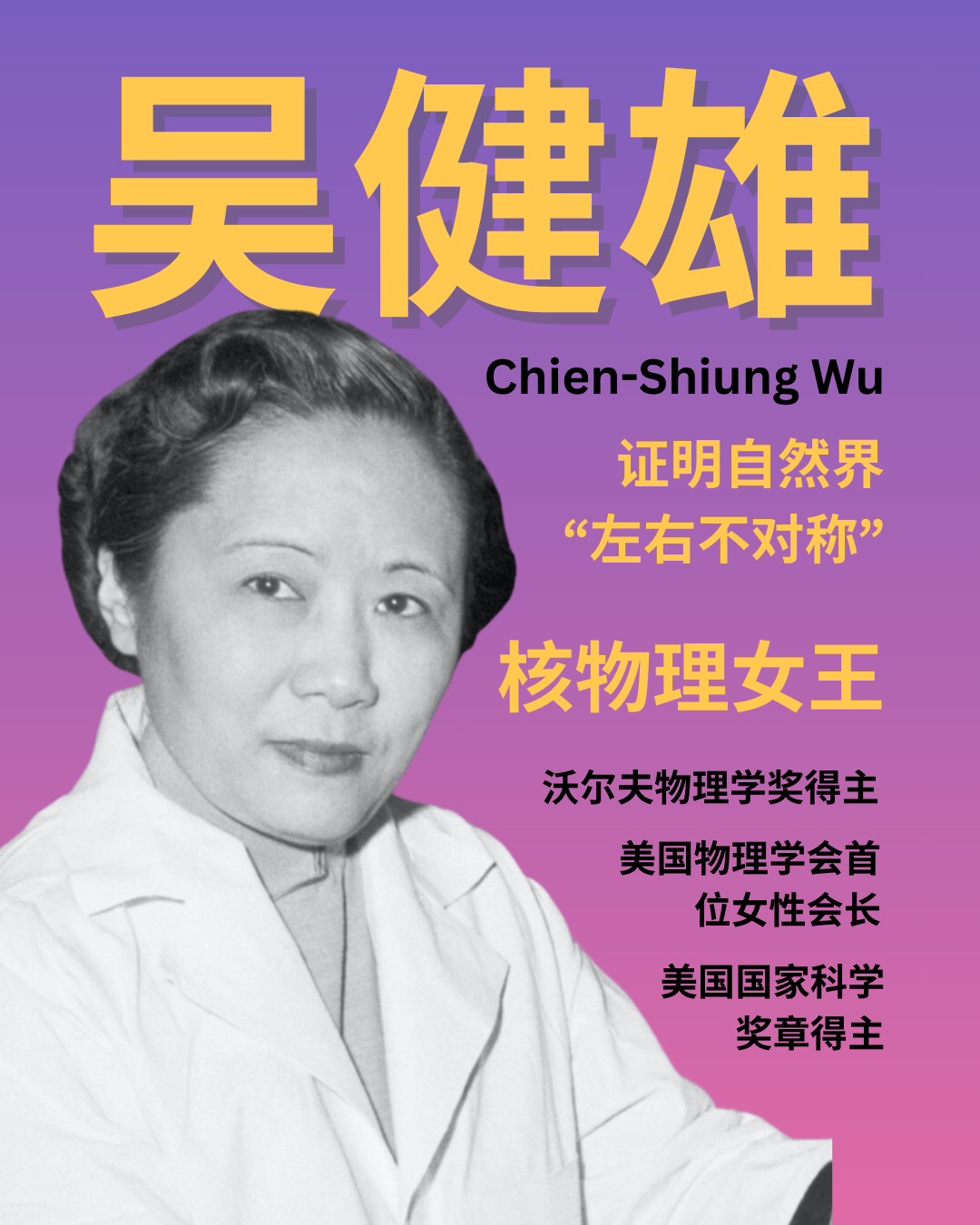
点击查看 / Click to read
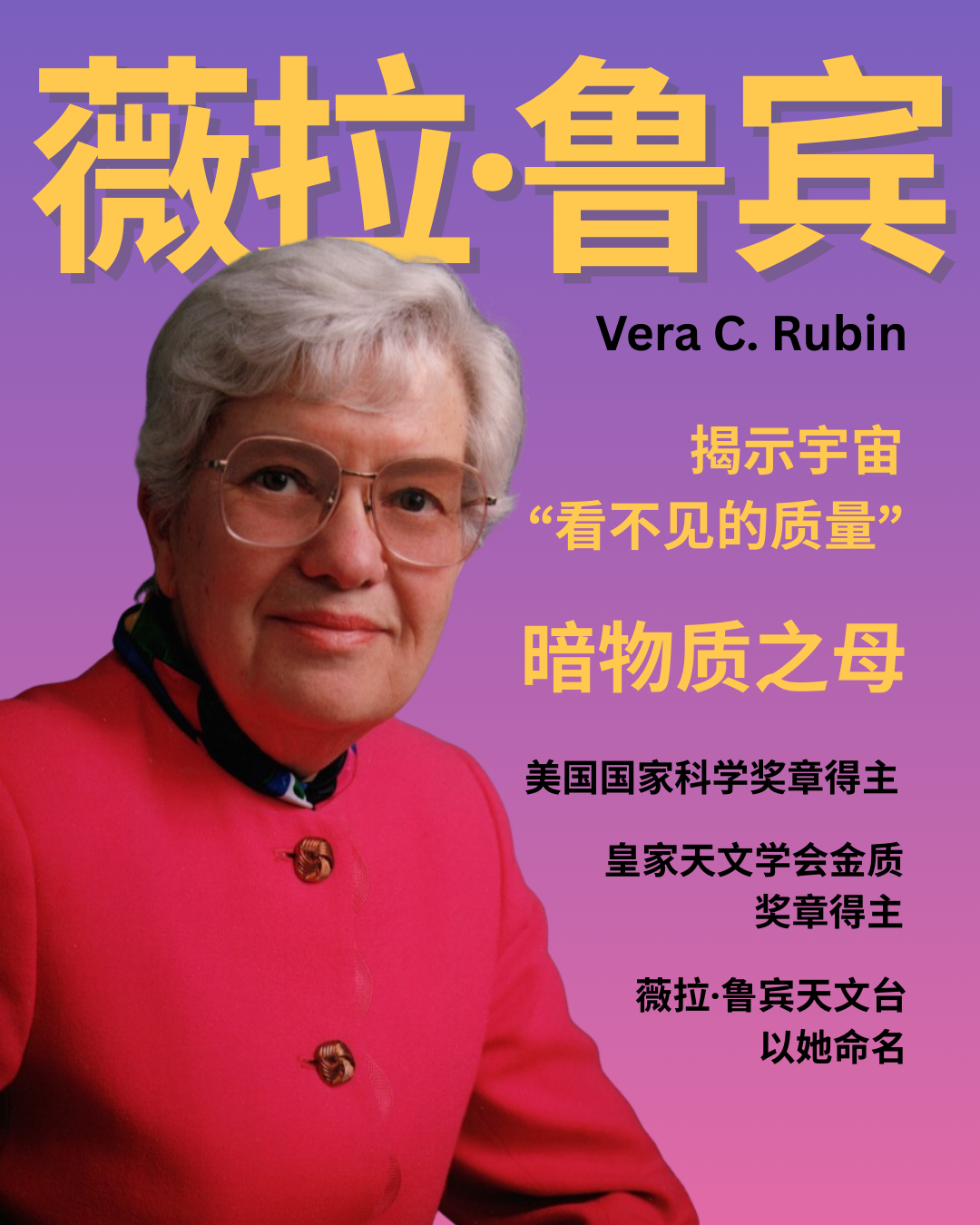
点击查看 / Click to read
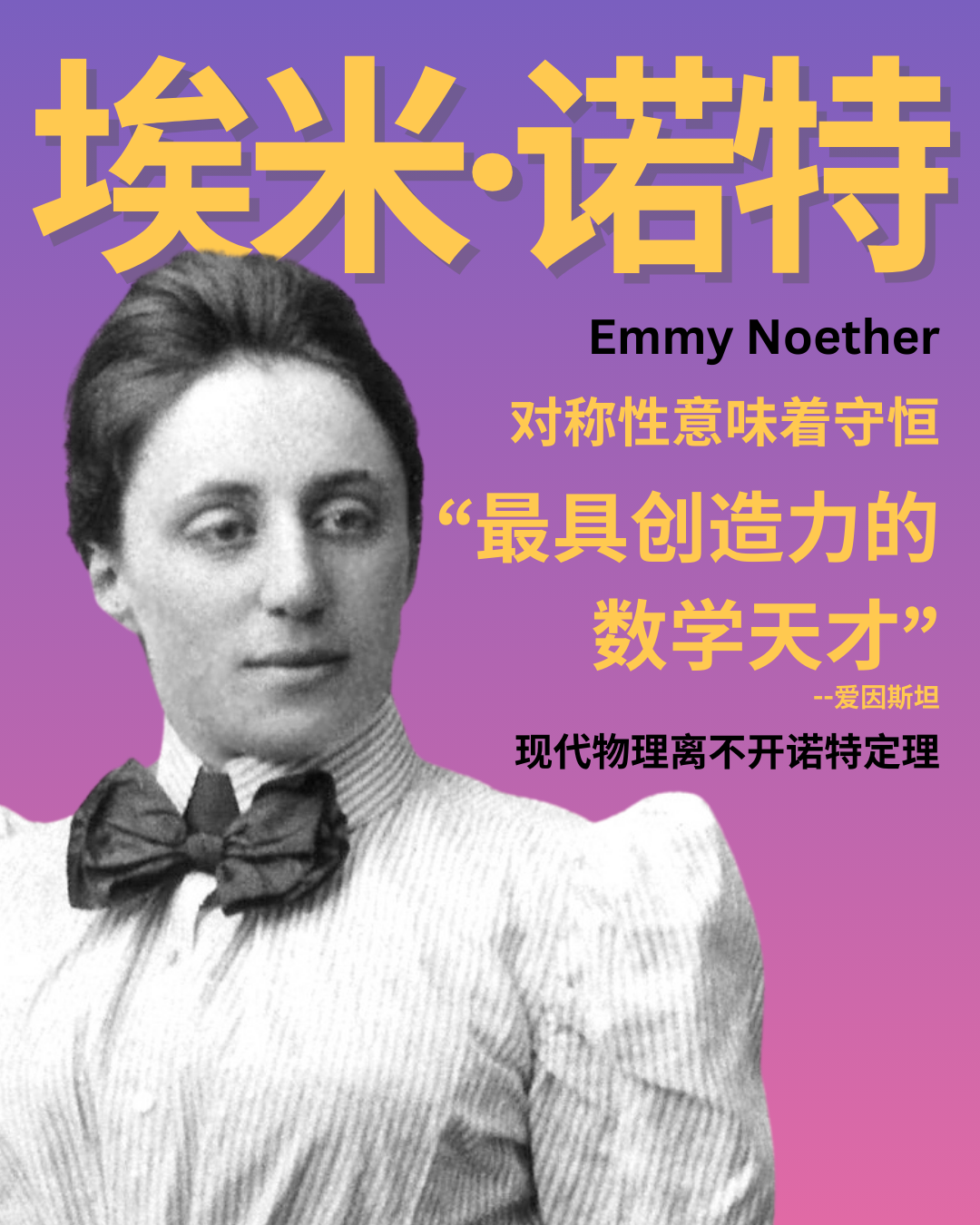
点击查看 / Click to read

点击查看 / Click to read
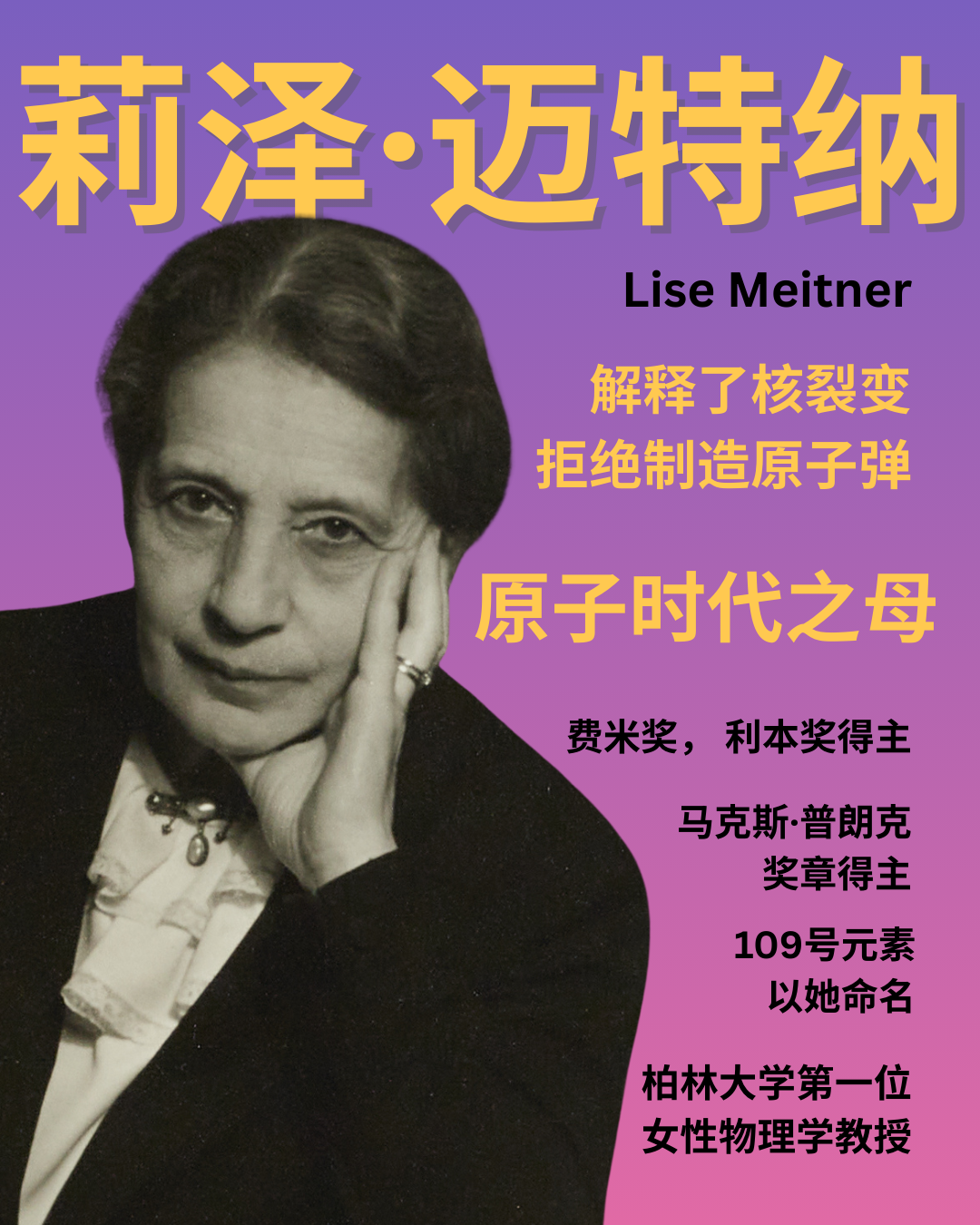
点击查看 / Click to read
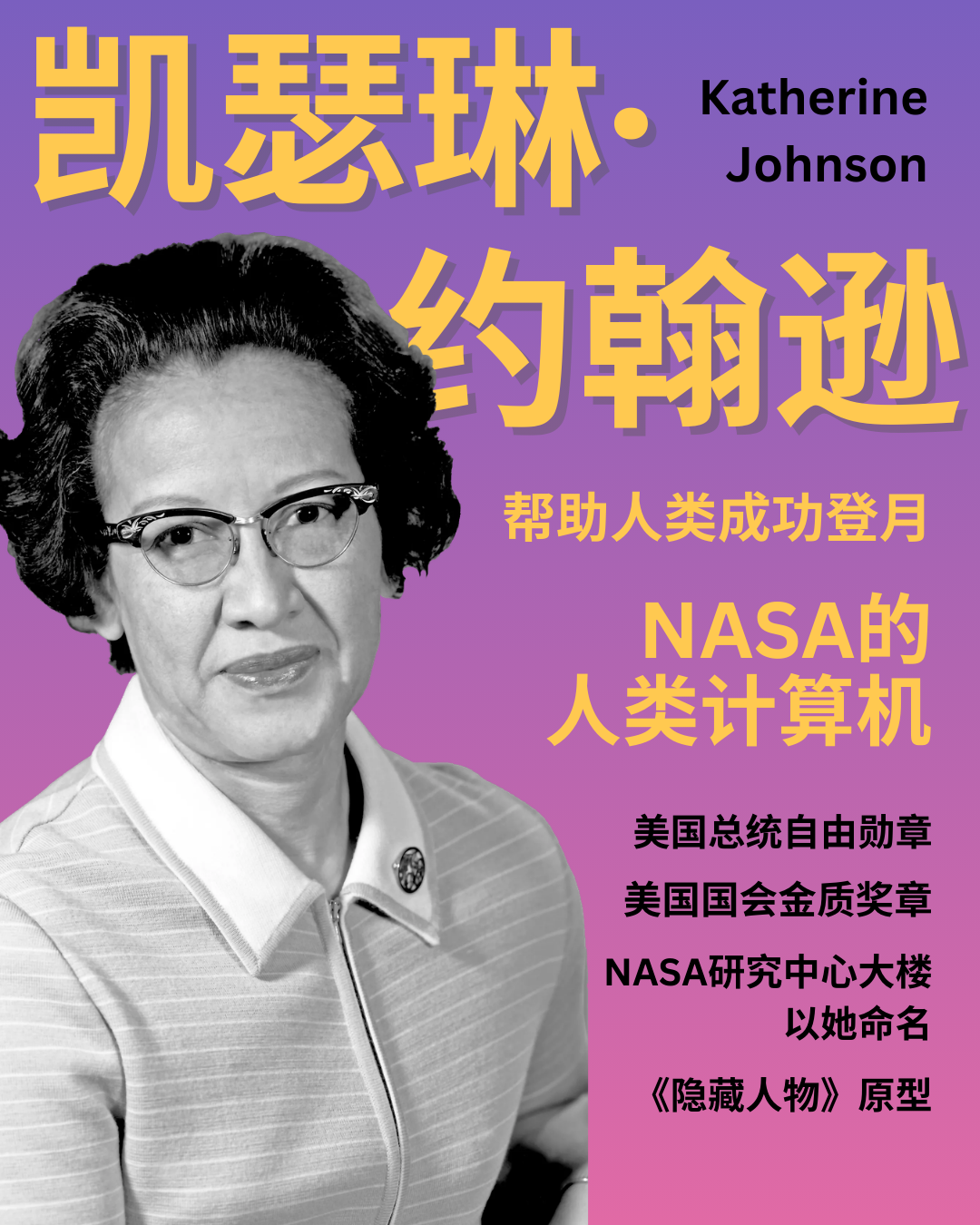
点击查看 / Click to read
我可以很轻松地说出很多物理学家的名字:爱因斯坦、玻尔、狄拉克。但当我们试着去想女性物理学家时,能立刻想到的名字却少得多,往往只有居里夫人。
这并不是因为女性没有参与物理学的发展,而是因为她们的故事更少被讲述。在我的学习过程中,我逐渐意识到,在课程、教材和讨论中出现的女性物理学家非常少。第一次看到「诺特定理」的时候,我甚至下意识地以为「诺特」一定是男性的名字,只是因为我早已习惯了物理学史中以男性为主的叙述方式。
我们常说,科学没有性别。但科学史是由人书写的,而书写的方式仍然会带有偏见。
因此,我想做这个系列,去讲述那些女性物理学家的故事。不仅是希望让更多人认识她们,也是在提醒自己和他人:女性一直都在物理学之中,只是她们的名字没有被足够多地记住。
North America Nebula, NGC 7000, taken by Dwarf3, 9th November